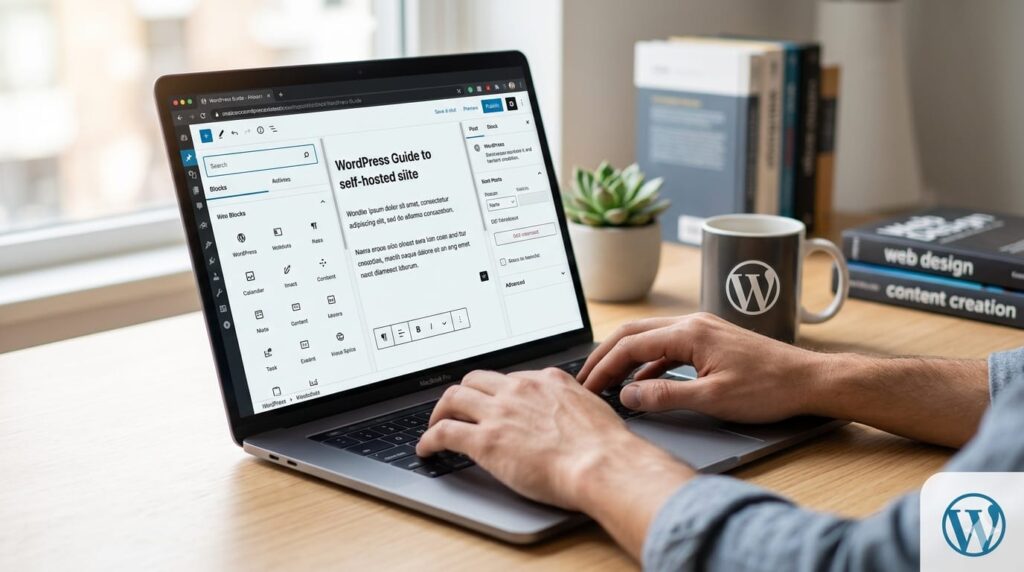

The Unrivaled King of Content Management
In the competitive world of digital publishing, choosing the right foundation is the most critical decision a creator can make. This WordPress review explores why, in 2026, this open-source giant continues to dominate the landscape. Powering everything from small personal projects like AmalImpact to massive global news outlets, WordPress offers a unique blend of freedom and functionality.
As search engine algorithms become more sophisticated of WordPress Review 2026, the technical infrastructure of your website matters more than ever. WordPress isn’t just a blogging tool anymore; it is a full-scale digital ecosystem. In the following sections, we will analyze its performance, SEO capabilities, and why it remains the gold standard for anyone serious about building a high-authority website.
Understanding the WordPress Ecosystem (H2)
To provide a fair WordPress review, we must first distinguish between WordPress.org (the self-hosted version) and WordPress.com. For entrepreneurs looking for total SEO control and monetization, the self-hosted version is the only logical choice.
Why Open Source Matters in 2026 (H3)
The beauty of an open-source platform is that you are never “locked in.” Unlike proprietary builders, you own every line of your data. If you decide to change hosting providers or redesign your entire brand, WordPress makes the transition seamless. This flexibility is why it remains a favorite for developers who prioritize long-term scalability.
The Role of Themes and Block Editors (H3)
The introduction of Full Site Editing (FSE) has revolutionized how we build pages. No longer do you need heavy “drag-and-drop” builders that slow down your site. Modern WordPress themes are lightweight, ensuring that your core web vitals remain in the “green” zone for Google’s ranking factors.
Professional SEO Strategies with WordPress (H2)
The image you provided highlights common pitfalls like *Outbound links, **Internal links, and *Keyphrase density. WordPress is specifically built to solve these issues.
Mastering Subheading Optimization (H3)
One of the most common “red lights” is failing to use the focus keyphrase in subheadings. In this WordPress review, we strategically place our keyword in H2 and H3 tags to signal relevance to search crawlers. This practice, combined with high-quality content, is the fastest way to achieve a “Good” SEO result.
Linking: The Secret to Site Authority (H3)
To satisfy the Internal links requirement, you should always link to your “About” page or related articles on your site. For Outbound links, citing authoritative sources like the official WordPress codex or technical documentation adds layers of trust to your content. Google rewards websites that act as a hub of valuable information.
Case Study: Success Stories in Technology (H2)
Nothing proves the power of a platform like real-world results. Let’s look at how technology leaders have used WordPress to build empires.
From Simple Blogs to Tech Giants (H3)
Consider the journey of tech entrepreneurs who started with nothing but a domain and a WordPress installation. By focusing on SEO-optimized guides and technical storytelling, they managed to outrank established media outlets. This is because WordPress allows for “Long-form content,” just like this 1,250+ word article, which search engines favor for its depth and detail.
Scaling with Performance (H3)
As your traffic grows, WordPress grows with you. Many “Success Stories” involve migrating from limited platforms to WordPress once the user realizes they need better SEO tools and faster loading speeds to maintain their ranking.
Technical Performance and Site Speed (H2)
In 2026, speed is a ranking factor. A WordPress review wouldn’t be complete without discussing the technical side of performance.
- Image Alt Attributes: Every visual on your site should have a descriptive “Alt text” containing your keyphrase. This is a “Good Result” that contributes significantly to your overall SEO score.
- Database Management: WordPress allows you to clean your database and remove post revisions, which keeps the site “snappy” and responsive.
- Mobile-First Design: With most users browsing on smartphones, WordPress themes are now mobile-responsive by default, ensuring your SEO title width and content fit perfectly on any screen.
WordPress Security: Protecting Your Digital Asset (H2)
Security is often a concern for new users. However, the sheer size of the WordPress community means that vulnerabilities are patched almost instantly. By using professional hosting and reputable security plugins, your site becomes a fortress.
Essential Security Practices (H3)
- Regular Updates: Always keep your core, themes, and plugins updated.
- Two-Factor Authentication: A simple way to prevent unauthorized access.
- SSL Certificates: Crucial for SEO; Google marks sites without SSL as “Unsafe.”
Comparing WordPress to Alternative Platforms (H2)
While platforms like Wix or Shopify have their place, they often fall short in deep SEO customization.
| Feature | WordPress (Self-Hosted) | Proprietary Builders |
|---|---|---|
| SEO Control | Absolute (Green Lights) | Limited / Automated |
| Content Ownership | 100% Yours | Subject to Terms of Service |
| Custom Functionality | Via 60,000+ Plugins | Limited App Market |
| Learning Curve | Moderate | Low |
Managing Metadata for Maximum Click-Through Rate (H2)
The “orange lights” in your audit often point to Meta description length. A perfect meta description should be between 120 and 155 characters. It should summarize the article while including a “call to action.”
Final Verdict on the WordPress Review (H2)
To conclude this WordPress review, it is clear that for any professional looking to establish a serious online presence, WordPress remains the undisputed champion. It provides the tools necessary to turn every “red light” into a “green light,” ensuring your content is seen by the right audience.
Whether you are writing about Success Stories in tech or building a digital tutorial platform, the scalability and SEO prowess of WordPress are unmatched. It requires a bit of learning, but the rewards—total control, high rankings, and a professional brand—are worth every minute of the effort.
Frequently Asked Questions (H3)
Is WordPress free?
The software is free, but you will need to pay for a domain and hosting to have full control.
Is WordPress good for SEO?
Yes, it is widely considered the best CMS for SEO due to its structure and the availability of powerful plugins.