A New Era of Digital Sovereignty
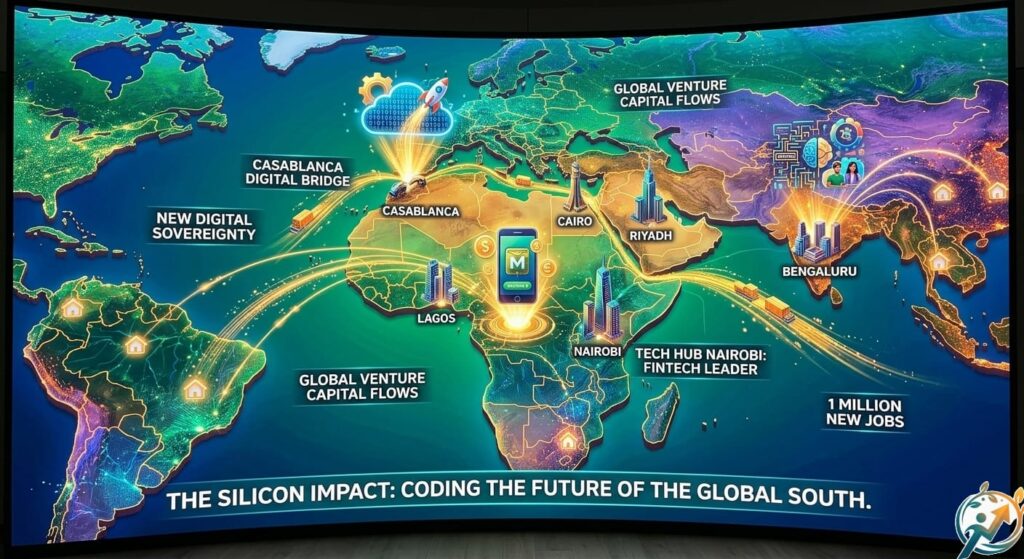
The world is witnessing a massive shift in how wealth and influence are created. In the past, nations relied on natural resources or heavy industry to grow. However, the rise of the digital economy has changed the rules of the game completely. Today, a single line of code can transform a community. This is not just a trend for Silicon Valley. Instead, it is a global movement that is empowering the Global South. From the streets of Casablanca to the tech hubs of Nairobi, software success stories are rewriting the future of developing nations.
Breaking the Barriers of Entry
Software development offers a unique advantage because it requires minimal physical infrastructure. Unlike traditional manufacturing, you do not need massive factories or expensive raw materials. All you need is a computer, an internet connection, and a creative mind. Consequently, many young entrepreneurs in emerging markets are choosing software as their primary tool for impact.
Furthermore, the accessibility of open-source technology has leveled the playing field. Developers in Morocco or Egypt can now access the same tools as those in San Francisco. Because of this democratization, we are seeing a surge in local solutions for local problems. For example, fintech apps are providing banking services to millions of unbanked people. These stories are not just about profit. They are about creating a real, lasting impact on society.
The Economic Ripple Effect
When a local software company succeeds, the benefits spread throughout the entire economy. First, it creates high-paying jobs for the youth. This helps to reduce “brain drain,” which is a major challenge for many developing countries. Instead of moving abroad, talented engineers stay home to build their own startups.
Moreover, successful tech hubs attract foreign investment. Global venture capital firms are now looking beyond traditional markets. They are searching for the next “Unicorn” in Africa or Asia. Therefore, a single success story can act as a catalyst for an entire ecosystem. When one entrepreneur succeeds, they often mentor others. This cycle creates a sustainable culture of innovation and growth.
Case Studies: From Local Code to Global Impact
We can look at several examples to understand this impact. In Kenya, the success of mobile money systems changed how an entire continent handles finance. Similarly, in Morocco, the growing outsourcing and software development sector is positioning the country as a digital bridge between Africa and Europe.
However, these successes do not happen by accident. They are the result of persistence and strategic thinking. Most software success stories begin with a simple observation of a problem. Then, the developer builds a “Minimum Viable Product” (MVP) to test the solution. This iterative process is what defines the modern tech industry. It allows for fast failure and even faster growth.
The Challenges Ahead: Education and Infrastructure
While the potential is massive, we must acknowledge the hurdles. Digital literacy remains a significant barrier in many regions. Therefore, governments must invest in updated education systems. Teaching children how to code is just as important as teaching them how to read.
In addition, reliable internet access is still a luxury in some areas. Without stable connectivity, the digital revolution cannot reach its full potential. Nevertheless, private companies and international organizations are working hard to bridge this “digital divide.” As infrastructure improves, the number of software success stories will undoubtedly multiply.
The Role of Storytelling in Tech
At AmalImpact, we believe that sharing these stories is essential. Why? Because representation matters. When a young developer reads about someone from their own city building a successful app, they start to believe it is possible for them too.
Stories humanize the cold world of algorithms and data. They show the struggle, the late nights, and the eventual triumph. By highlighting these narratives, we hope to inspire the next generation of digital leaders. Software is not just about machines; it is about the people who use it to make the world a better place.
Coding the Future
The future is being written in code, and everyone is invited to participate. Whether you are a developer, an investor, or a storyteller, you have a role to play in this digital transformation. Let us continue to support and celebrate the innovations that bring positive change to our world.